08 May 2026
Key Takeaways
-
Commercial photography influences the way people perceive your brand, establishing trust, identity, and value in your products or services. Well-defined, consistent imagery makes a brand more identifiable and memorable.
-
Different types of commercial photography address different needs. Product photos are for e-commerce sites, corporate images are for teams and workplaces, branding shoots are for lifestyle stories, architectural photography is for spaces, and aerial shots are for large sites or locations. Selecting the appropriate kind assists in aligning images with particular business objectives.
-
A pro process typically has strategy, preparation, execution and refinement, making sure every shot supports a defined objective. Commercial photography, businesses love to think ahead with mood boards, shot lists and timelines to keep projects lean and mean.
-
Powerful commercial photos enhance digital presence on social media, websites and online advertisements, capturing more engagement, clicks and time on page. Great images make brands pop in busy web environments.
-
Beyond technique, commercial photography is about getting the human element, the brand story, and the client’s vision. When you communicate clearly about your target audience, tone, and what you’re hoping to accomplish, I create images that are more effective and authentic.
-
How to choose a photographer? Businesses should examine portfolios, confirm experience in their industry, and discuss process, pricing, and usage rights. Hiring a photographer who speaks both the language of aesthetics and commerce can be an investment that pays off for years.
Commercial photography is photography that is used to market, sell, promote, or explain a product, service, or brand. It spans many areas, such as product photos for ecommerce sites, menu shots for restaurants, real estate, and corporate headshots. Many brands utilize it for ads, catalogs, billboards, websites, and social media. Good commercial photos usually present sharp detail, accurate colors, and a crisp aesthetic that fits brand requirements. We typically shoot in studios with set lights or on location in shops, offices, or outdoors. In many projects, photographers storyboard shots with marketers, designers, and clients. The following sections explore the critical styles, tools, and tips that define powerful commercial work.
Why Commercial Photography Matters
Commercial photography is at the heart of how people perceive, evaluate, and recall a business in a screen-first contact everything world.
1. Shape Perceptions
Since most clients encounter a brand on the web before they meet a single person on the team, the first image they view tends to create their impression. One crisp, perfectly illuminated photograph on a home page or marketplace listing can communicate attention, control and confidence. A dark, cluttered, or blurry photo can send the opposite message and make even a great company look unprepared.
Visuals direct the way people make comparisons in nearly every industry. A hotel with transparent room shots, a clinic with clean, upfront facility images, or a software firm with crisp, legible interface captures all form what users anticipate before they even read a line of copy.
2. Build Trust
Top-notch commercial photos make your business look more credible and professional. Customers see a “professional photo” and read it as a signal that a business pays attention to details and will probably treat them with the same care.
Real staff portraits, real workspace, and real product photos reduce the ‘bait and switch’ concern, which is crucial for services such as education, health, and finance.
3. Boost Engagement
That’s the value of good commercial photography — strong images capture attention and hold it. On websites, product shots from multiple angles, close-ups of materials or easy step-by-step pictures keep visitors around and clicking.
On social media, crisp, well-framed images receive more saves, shares, and comments than stock-style images. A cafe posting a behind-the-scenes brew shot or a fitness brand posting before and after shots with permission makes people pause their scroll.
4. Increase Value
Good commercial photography frequently sustains premium pricing. Something as simple as a blank T‑shirt looks high-end when photographed with consistent lighting, clean styling and in a scene that resonates with the purchaser.
For services, process and result images, like a construction job from dirt lot to completed building, give people context for what they’re buying and why the price is reasonable.
5. Define Your Brand
Commercial photography functions as a visual language that defines brand identity and distinguishes it. When the color tones, lighting style and framing are consistent from your website to your ads and print pieces, you form a distinct look that people begin to associate with the brand itself. A tech firm could opt for bright, clinical lighting and plain backdrops, whereas an outdoors brand relies on natural light and grand landscapes.
This type of planning requires more than a nice camera. It demands defined objectives, an understanding of light and framing, and straightforward visual narratives. When done well, the right photos ignite emotion — calm, energy, safety, curiosity — and leave a long-term imprint that fuels every other aspect of the business.
Types of Commercial Photography
Commercial photography types address various business requirements, from marketing tangible products to cultivating a public persona. Each requires its own strategy, equipment, and workflow.
Product
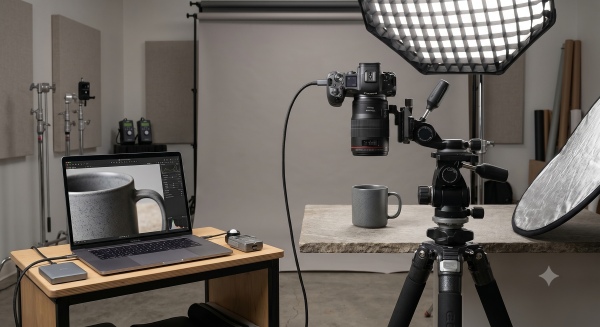
Product photography concentrates on presenting items in a transparent and compelling manner so consumers know exactly what they’re getting prior to purchase. It usually means studio lights, macro lenses, and plain backgrounds to manipulate every reflection and shadow. For instance, a watch company might require crisp close-ups that highlight the dial texture, strap fabric, and finer details such as stitching or engraving.
E‑commerce product photos usually follow strict rules: clean white background, even light, and consistent size across a full catalog. Lifestyle product shots do the reverse; they put the product into real settings, like a coffee mug on a cluttered office desk or hiking boots on a moist trail. This aids purchasers in visualizing the product in everyday application. Technical products, such as headphones or kitchen tools, might require “explainer” shots that highlight ports, buttons, and important features.
Corporate
Corporate photography facilitates your business communication both internally and externally. From headshots to team photos, workplace scenes, and even conference or training coverage, it’s all here.
Headshots rely on plain light, neutral backgrounds, and consistent framing so an entire team appears as one entity, even if photos are taken months apart. Workplace shots could capture employees in meetings, laboratories, or assembly lines to bring reports, websites, or investor decks to life. Corporate event photography often requires rapid-fire low-light skills and an on-the-fly delivery strategy since photos may be heading directly into news releases or social posts while the event is in full swing.
Branding
Branding photography is less about a single product and more about the entire vibe of a business. It tries to depict values, lifestyle, and tone visually. A fitness brand could blend shots of individuals exercising, detailed shots of equipment, and peaceful moments of recovery, all employing an identical color tone and lighting aesthetic.
This work often begins with a brand guide or mood board. The photographer develops an image bank that can bleed across sites, ads, social, and print without snapping the visual connection. That could be portraits, detail shots, behind-the-scenes, and even abstract textures that complement the brand palette.
Architectural
Architectural commercial photography documents and advertises buildings and interiors. My clients range from real estate companies and hotels to retail chains and architects. The aim is to depict shape, design, and fabrics in a manner that comes across as honest but still hospitable. This could be a tiny café or an office tower.
Photographers employ tilt-shift lenses or meticulous post-work to ensure straight lines don’t bend. They schedule with natural light, like shooting a glass office at sunrise to minimize glare and still capture the skyline. For interiors, they equalize indoor lights with window daylight so hues remain accurate. They might shoot both wide shots to illustrate flow through a space and detail shots of things like stair rails, stone finishes or custom lighting.
Aerial

Aerial commercial photography captures subjects from above using drones, helicopters, or aircraft. It is common in real estate, tourism, agriculture, and construction. Wide overhead views can help illustrate land size, traffic access, nearby services, or a slice of the context of a new building on a city block.
Drone work typically requires permits and familiarity with local air regulations, as well as caution near power lines, crowds, and weather. Composition shifts in the air. Patterns, roads, and roof lines become strong graphic forms, so the photographer has to consider scale and height more than eye-level views. In certain projects, aerial shots combine with ground-level images to provide both a wide map-like perspective and close-up detail at important locations.
The Professional Process
Advertising photography has a defined, professional process from concept to delivery so clients understand what they’re getting and why it costs what it does.
Strategy
As with any professional process, strategy begins with a brief. The client describes the objective, audience, channels, and budget. A clothing brand might need slick e-commerce shots for an online store. A tech brand could require daring images for a worldwide launch.
From there, the photographer and client work out the primary message and style. They agree on how the photos should feel: calm and minimal, bright and friendly, or sharp and high contrast. Mood boards are a great way to get taste on the same page. These can be sample ads, color palettes, rough framing ideas, so nobody relies on nebulous terms like “cool” or “premium.
Next up is scope. This includes how many final images the team needs, in which formats, and for what use, such as website, print, outdoor, social feeds, and large screens. They make their usage rights and length explicit. This sidesteps issues down the line when a brand wants to recycle a campaign in a new territory.
Preparation
Preparation makes the plan into a shootable assignment. This stage could span location scouting, casting, props, styling, and scheduling.
For a food brand, that might translate into securing a studio kitchen, sourcing a food stylist, and renting brand-colored surfaces. For a business client, it can mean selecting conference rooms with optimal natural lighting, coordinating employee shifts, and deciding on attire.
The photographer constructs a shot list and rough schedule. The shot list divides the strategy into individual shots, angles, and important specifics. It serves as a checklist so that must-have shots are not forgotten when things get busy.
Execution
Execution is the shoot day itself. My team prepares lights, exposure tests, and color checks. Tethered capture to a laptop or tablet allows the client to view images as they happen and provide immediate feedback.
On set, the photographer controls pace and observes schedule but remains responsive to productive variations. The professional process involves a pose change here, a product angle shift there, and a lighting push of 1 meter changing glare or revealing texture. We vet every image against the brief, not just for aesthetics but for brand compatibility.
Refinement
Selection, retouching, and delivery are all part of refinement. The photographer sifts through hundreds of frames culled to a tight set of selects. Then the client selects finals, referencing back to the original objectives.
Editing may consist of color correction, background clean-up, skin retouching, or compositing while always keeping to what the brand requires, not ragged for drama. Files are clearly named, exported to the correct sizes, and delivered in tidy folders, print and digital ready.
The Digital Impact

Digital disrupted everything about the business of commercial photography, from how pictures are conceptualized to how they are distributed and measured. Brands of any size now evaluate photos not just by how they look but by how they perform digitally.
Social Media
On social platforms, commercial photography needs to halt scrollers in their tracks. Photos have to load quickly on a 6-inch screen, still look crisp on a 27-inch monitor, and remain lucid post-compression. Simple, bold framing, clean backgrounds and contrast tend to work better than busy scenes because the photo has to stay clear even as a tiny thumbprint sized thumbnail.
This is where the connection between phones and cameras comes into play. Because cameras now reside in smartphones, consumers anticipate new, often engaging content. Most brands blur premium campaign shots from mirrorless or DSLR cameras with snapshot mobile photos and clips. The mirrorless bodies assist in low light and tight spaces, such as in-store shoots or small cafés, as phones tackle behind-the-scenes posts and real-time updates.
Editing shifted nearer to the moment of capture. Teams have apps to crop for vertical Stories, square posts and horizontal banners, all from the same base image. Basic retouching, color shifts and overlays occur on tablets or phones, while deeper work remains in desktop software. This effortless editing introduces speed and asks us to consider when is too far when molding skin, body contours or item hues.
Websites
On the web, stock pics do a lot of the heavy lifting for credibility and transparency. Product pages rely on crisp, truthful images from multiple angles, as well as detail shots that highlight texture, seams, ports, or controls. Because digital files can be archived and repurposed in multiple sizes, one shoot can literally fuel homepage banners, blog posts, download pages, and press kits without additional shooting.
File size is the concern of the day. Photos have to load fast for people on slow networks, so there are all sorts of careful compression and clever formats. A file that is too large will drag down the page, while a file that is too small damages detail and makes products look cheap. Many teams have image style guides for color, shadows, and background tone, so a catalog of hundreds of items still feels like one obvious brand.
Digital photography training is more accessible. Online classes and short courses educate employees and small business owners on simple lighting, color balance, and editing. That reduces the threshold for in-house content, so even a small studio or shop can maintain its site fresh without bringing in a photographer every 30 days.
Online Ads
Online ads drive commercial photography into tight technical and moral areas. Photos must comply with platform standards on size, file size and content yet still align with brand color and mood. One master image could be sliced into dozens of variants for search ads, banners, in-app placements, and video thumbnails, all with different crop lines and text-safe spaces.
The transition to digital altered the way scores are tracked. Every ad image can be linked to click-through rate, time on page, or sales. This information indicates which styles, angles, or color schemes result in improved feedback, allowing creative teams to optimize ideas over time rather than speculate. Since storage is inexpensive and photos can be removed in moments, test campaigns frequently operate with a number of different images simultaneously.
Digital editing and convenient manipulation fuel questions of authenticity. Heavily retouched or misleading composites can result in user pushback, legal risk, or platform bans. Many brands now draw clear lines: clean up dust and small flaws, but avoid changing product shape, size, or key features. That tradeoff between polish and honesty has been at the center of digital lifestyle commercial photography ever since.
Beyond the Technical
Studio shoots don’t run on lights, equipment, and raw files exclusively. They exist within a larger media world that continues to evolve, informed by culture and brands and the way consumers digest images on multiple screens daily.
The Human Element
People do not approach images as ‘cultural dopes’ or ‘cultural dupes.’ Viewers bring their own history, values, and skepticism to every campaign shot they hear. They judge, compare, ignore, and occasionally push back, so a commercial photograph needs to embrace that agency from the get-go.
Photography functions as an ambient or “absailent-minded” medium. A product shot might linger in the corner of a news site, on a metro poster, or in a social feed someone scrolls past in three seconds. A magic, unfathomable force-field of attention and distraction sweeps over several images simultaneously. A viewer half-watches a fashion image, flipping through a message and music, and the image leaves a trace.
Public consumptions of photography have changed as cameras entered phones and social platforms. We all create and edit images every day, so we’re very quick to notice posed emotion or phony “realness.” This places casting, gesture, and micro-expressions at the heart. A food photo, a car ad, or a healthcare campaign needs to show people who look and behave in ways that feel lived-in, not posed just to peddle.
The Brand Story
Commercial photography tells the brand story in a busy marketplace. Conglomeration, the 1980s onward explosion of giant cross-industry media empires, has saturated markets with international brands that communicate in consistent visual languages. One image for a sneaker, a soda or a hotel chain now contends not just with competitors, but with every other content on the page.
The concept of “publicness” helps here: brands address quasi-groups formed by shared debates about work, health, gender, or climate, not just buyers of a product. An advertisement for a renewable-energy firm could depict actual wind-farm workers and yet suggest larger issues of social transformation. For example, a tech brand could display families sharing devices in tiny homes, not cool labs, to address the social reality of use, not just innovation. It is the photographer’s job to translate that broader narrative into specific decisions on location, color, and timing across a sequence of images while remaining sensitive to cultural variations in what achievement, nurturing, or relaxation appear.
The Client Vision
The client vision is at the intersection of human reading, brand narrative, and industry tension. The world of commercial photography has been shaking apart for years with rapid technological change, emerging platforms, and structural transformation in media and cultural industries. Clients are now requesting stills, motion and cut‑downs for dozens of channels in a single shoot. Budgets and timelines continue to get smaller.
To operate in this space, photographer and client require a mutual and specific brief. They chart who the quasi-public becomes, what feelings are involved, and how pictures will exist across a blend of focus and interruption. For instance, a one-hero image for a new car could require room to crop for a mobile banner, look good with text on a print poster, and have a version that works as a muted background in a video pre-roll.
The vision stage is where these ethical and cultural questions should emerge too. Who pictured, who missing. What bodies and homes and jobs substitute for ‘normal.’ How much retouching is employed, and what that implicates about age, skin, or work. When clients and photographers view audiences as engaged readers, not passive targets, they will be able to construct campaigns that suit the actual lives of the individuals they aspire to connect with.
Choosing Your Photographer
Selecting a commercial photographer is less about style alone and more about fit with your goals. The perfect match connects your brand, your products, and your audience in an obvious, usable way.
Begin with intention. Define what the shoot should do for you: launch a new line, refresh a website, support ads, or build a product catalog. Use dictates everything else, from lighting and styling to file types and crops. If it is for a web store, you will likely want pristine, uniform shots from multiple sides. For a brand campaign you might want mood, movement, and room for text. Mention this ahead of time so your photographer can strategize the right approach and not have to wing it.
Focus on experience in product work, not just ‘pretty’ photos. Check what kinds of products they shoot: glossy skincare, matte tech gadgets, food, fashion, large items, or small reflective parts. Each bunch requires various instruments and configurations. For instance, high-shine metal might require delicate glare control and soft boxes, whereas food work could demand quickness and color precision. Ask how they handle post-processing: color correction, retouching, compositing, and file delivery. Their edits can transform your product into anything from down-to-earth to high-gloss.
See how they collaborate with clients and teams. Commercial gigs can mean creative directors, agency producers, brand managers, and sometimes lawyers. Each has a say in color, crop, and mood, and the resulting images are a joint venture, not art in the pure sense. Some photographers like this, some don’t. Inquire about how they handle rounds of feedback and inflexible brand guidelines. It’s typical for them to flex their creativity so that the brand message remains crisp and on brief.
Poke around to see if they are versatile. In commercial work, themes change quickly. One week could be a winter jacket shot on location in a studio made to look like a cozy lodge. Next week could be that jacket, but in a sun-drenched ‘summer getaway’ scene for an international campaign. You want someone who can shift style, lighting, and staging to each campaign while still staying true to your product. First impressions count, and these pictures might be your first and only opportunity to address a new buyer, so this equilibrium of truthfulness and wooing is crucial.
Conclusion
So to take it home, commercial photography acts as a connection between a brand and actual human beings. Bold photos make a store page more click-worthy, a product page more sale-worthy, and a campaign more memorable. A food shot can ignite craving. A crisp product photo can inspire confidence. A team portrait can put a face to a brand.
To do well, brands require a specific objective, a reasonable budget, and a photographer that matches their vibe. That combination usually yields a quick return on reach, sales, and faith.
Prepared to go forward? Begin with one product line, one ad set, or one brand story, and test how professional photos alter the way people respond.
Frequently Asked Questions
What is commercial photography?
Commercial photography is photography that is created to be used to advertise or market a product, service, or brand. Commercial photography includes ads, catalogs, websites, social media, and packaging. Your primary objective is to help marketing and sales with strong, direct images.
Why is commercial photography important for my business?
Beautiful commercial pictures establish credibility, demonstrate professionalism, and draw attention. Great visuals make your brand pop, articulate your service fast, and boost conversions on websites, ads, and social media. They create more powerful, persistent marketing.
What are the main types of commercial photography?
Major categories feature product photography, lifestyle photography, corporate and headshots, fashion, food, architecture and interiors, and e-commerce images. All have a different objective, whether it is to sell online or share a brand’s story or office life.
What should I prepare before a commercial photo shoot?
What do you want to accomplish, who is your reader, and what is the main message? Get together your shot list, mood board, and brand guidelines. Set up your products, location, models, and props ahead of time. Communicate everything to the photographer so the shoot proceeds efficiently and fulfills your requirements.
How does commercial photography support digital marketing?
Compelling photos increase click-throughs, social shares, and site conversions. They make ads work harder, landing pages brighter and brand messages bolder. Professional photos help SEO by driving time on page and sharing across digital channels.
How do I choose the right commercial photographer?
Scan their portfolio for style, quality, and consistency. See past work in your industry and read customer testimonials. Inquire with them about their process, timeline, and usage rights. Pick a person who can communicate clearly and knows where you want your brand to go and who your intended audience is.
What is typically included in a commercial photography package?
They all come with pre-shoot planning, the shoot itself, basic or advanced retouching, and deliver high-resolution files. Others provide styling, location scouting, and usage licenses. Check what’s included and how you can use the images.
Not what you were looking for? Discover more services and visual marketing resources from Andrew Shaw Photography designed for real estate, commercial projects, and brand promotion.
Related Services:
Product Event Photography
Product and Branding Photography
Professional Drone Photography
Learn More About Photography: